By James A. Schnur, CCIM
President and Designated Managing Broker
Integrated Real Estate Solutions
LinkedIn
Industrial real estate continues to evolve as companies rethink where they store, manufacture, and move goods. E-commerce remains a major force, but it no longer acts alone. Reshoring, supply chain resilience, labor availability, and faster delivery expectations now influence warehouse and distribution decisions at the same time.
For owners, investors, and occupiers, the result is a more demanding site selection process. A warehouse may no longer meet an occupier’s needs simply because it offers enough square footage at the right rent. Companies increasingly need buildings that support rapid fulfillment, modern equipment, and reliable access to customers, workers, and transportation networks.
E-Commerce Keeps Raising the Bar for Distribution
E-commerce has matured, but customer expectations continue to shape industrial demand. Consumers expect broad product availability, accurate order tracking, and fast delivery. Retailers and distributors must position inventory close enough to major population centers to meet those expectations without allowing transportation costs to overwhelm margins.
That pressure creates demand for facilities that can process orders efficiently. Clear height, loading capacity, trailer parking, power availability, and well-planned interior circulation all matter because they influence how quickly goods can enter, move through, and leave a building.
Companies also need flexibility to manage returns, seasonal inventory, and changing order volumes. IRES has explored how multi-story warehouses can help companies maximize space in urban industrial markets where land remains limited. These facilities show how industrial design adapts when distribution needs collide with space constraints.
Reshoring Changes Where Companies Need Space
Reshoring means bringing manufacturing or production activity back to the United States after operating it abroad. Companies may pursue reshoring to gain greater supply chain control, shorten lead times, reduce exposure to international disruptions, and coordinate production more closely with customers.
This shift affects more than manufacturing plants. Expanded domestic production can create additional demand for supplier facilities, component storage, regional distribution, and transportation services. One manufacturing decision can create a wider industrial real estate footprint.
The lesson from recent supply chain disruptions also remains relevant. Companies learned that a network designed only for maximum efficiency can become vulnerable when a single link breaks. Many businesses now value resilience alongside cost. Our discussion of supply chain disruptions and industrial real estate demand explains how nearshoring, reshoring, and larger safety inventories can influence warehouse strategies.
Last-Mile Logistics Brings Warehouses Closer to Customers
The “last mile” describes the final stage of a product’s journey from a distribution point to the customer. It can also represent one of the most difficult portions of delivery, especially in dense metropolitan areas where congestion, limited loading areas, and high real estate costs complicate operations.
Companies respond by placing smaller logistics facilities closer to customers. These sites may include urban distribution centers, micro-fulfillment facilities, or repurposed commercial properties that support rapid local delivery.
Location matters, but proximity alone does not guarantee efficiency. A last-mile site must offer practical access to major routes, sufficient loading and staging areas, workable operating hours, and a layout that supports frequent vehicle movement. Our analysis of urban logistics in 2026 examines how micro-fulfillment centers, dark stores, and other strategies extend distribution beyond the traditional warehouse model.
Labor Availability Influences Industrial Demand
Buildings do not operate themselves. Even highly automated warehouses and manufacturing facilities need skilled employees to oversee equipment, manage inventory, maintain systems, and coordinate transportation.
Companies increasingly study labor availability before committing to a location. Wage levels, commute times, transportation access, and competition for employees can affect whether a facility performs as expected.
Automation can reduce certain labor needs, but it also raises the importance of building infrastructure. Robotics and automated storage systems may require stronger power capacity, greater clear height, specialized maintenance, and different floor layouts. IRES recently examined how labor markets and automation influence industrial site decisions, reinforcing the need to evaluate people and property together.
Flexible Buildings Gain an Advantage
The strongest industrial properties often give occupants room to adapt. A company may need more inventory today, additional automation tomorrow, or a different mix of manufacturing and distribution several years from now.
Features such as adequate power, flexible loading configurations, expansion potential, usable clear height, and efficient truck circulation can help a building remain competitive as operating models change. Owners may also find opportunities to reposition older properties. Adaptive reuse can transform underused retail or commercial space into distribution facilities when zoning, access, structure, and infrastructure support the new use.
This flexibility matters because industrial demand rarely moves in a straight line. E-commerce, trade policy, labor conditions, technology, and consumer expectations can change faster than a long-term lease.
A More Connected Approach to Industrial Real Estate
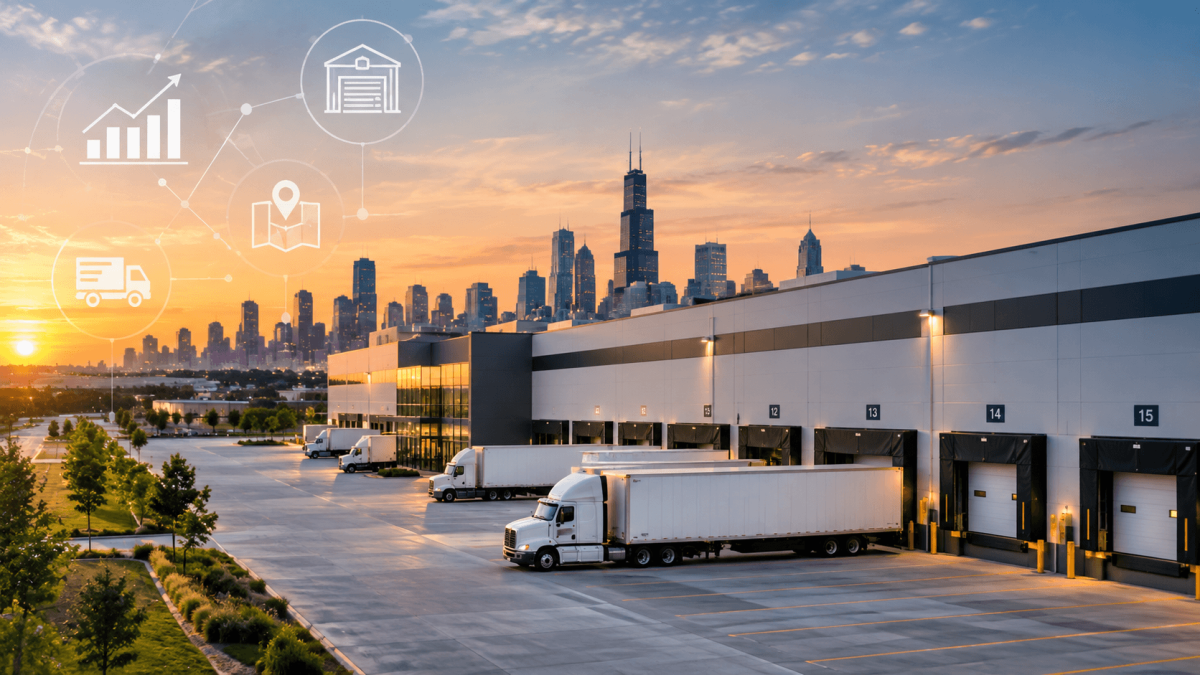
E-commerce, reshoring, and last-mile logistics may look like separate trends, but they point toward the same conclusion: companies need industrial real estate that connects operations with the broader supply chain. The right property must support inventory, transportation, technology, labor, and customer service at the same time.
As you evaluate a warehouse, distribution center, or manufacturing location, you should look beyond rent and square footage. You should consider how the property fits your supply chain, whether it gives you reliable access to labor and customers, and whether the building can adapt as your operation changes. When you connect those factors early, you can make a real estate decision that supports both immediate performance and long-term resilience.
The professionals at Integrated Real Estate Solutions, Inc. offer real estate brokerage and consulting services to help businesses with all aspects of investing in commercial property.
Integrated Real Estate Solutions, Inc. provides clients with the in-depth knowledge and experience that is critical to determining the right path to your next move, lease renewal, or strategic repositioning of your real estate portfolio. Contact us or call 847.550.0160 today about your needs and put our success to work for you.
